- at 19:29:34 male Natalio lands greeting his nest
- calls for female, sits down for a while
- at 19:33:50 Zica is here too, nice greetings
- Zica rests, Natalio preens his feathers
continuation
- 19.39 both resting
at 20.05 the nest is in dark
Tajo Internacional (Natalio/M and Zica/F)
-
marika.solo
- Site Admin
- Posts: 29307
- Joined: 29 Sep 2021, 09:38
-
marika.solo
- Site Admin
- Posts: 29307
- Joined: 29 Sep 2021, 09:38
Re: Tajo Internacional (Natalio/M and Zica/F)
previous day (04.03) viewtopic.php?p=53792#p53792
next day (06.03)
March 05
Hello everyone
instructions by Tajo Interantional: viewtopic.php?p=53697#p53697
female Zica on the nest
- 08:03:03 out
- 12:11:29 - 14:40:21
- 14:45:49 (N. calls for her) - 16:07:06
- 19:23:35
male Natalio on the nest
- 07:42:38 out (night on the nest)
- 07:56:30 - 07:59:03
- 12:11:45 - 13:17:40 (defending the territory)
- 13:24:36 - 14:31:35 (defending the territory)
- 14:39:18 - 16:08:25
- 19:33:55
mating
- 2
material delivery
- 0
events
-
-----
VIDEOS 05.03
next day (06.03)
March 05
Hello everyone
instructions by Tajo Interantional: viewtopic.php?p=53697#p53697
female Zica on the nest
- 08:03:03 out
- 12:11:29 - 14:40:21
- 14:45:49 (N. calls for her) - 16:07:06
- 19:23:35
male Natalio on the nest
- 07:42:38 out (night on the nest)
- 07:56:30 - 07:59:03
- 12:11:45 - 13:17:40 (defending the territory)
- 13:24:36 - 14:31:35 (defending the territory)
- 14:39:18 - 16:08:25
- 19:33:55
mating
- 2
material delivery
- 0
events
-
-----
VIDEOS 05.03
-
marika.solo
- Site Admin
- Posts: 29307
- Joined: 29 Sep 2021, 09:38
Re: Tajo Internacional (Natalio/M and Zica/F)
- the nest is visible, both are at home
- preening
- 07:21:03 mating
continuation
- 07:42:38 female ZICA out - NO it is Natalio (sorry)
- preening
- 07:21:03 mating
continuation
- 07:42:38 female ZICA out - NO it is Natalio (sorry)
-
marika.solo
- Site Admin
- Posts: 29307
- Joined: 29 Sep 2021, 09:38
Re: Tajo Internacional (Natalio/M and Zica/F)
- at 07:56:30 female Zica is back - NO it is Natalio (sorry)
continuation
- 07:59:03 male Natalio out again
Zica is cleaning up a bit - she is throwing out old leftovers
- 08:03:03 female Zica out too
Zica has a less rounded head, and on the crown she has tiny feathers that stick out.
- Head shape — slightly less round than typical.
- Crown feathers — small feathers on top of the head that stand out, making her easier to recognise.
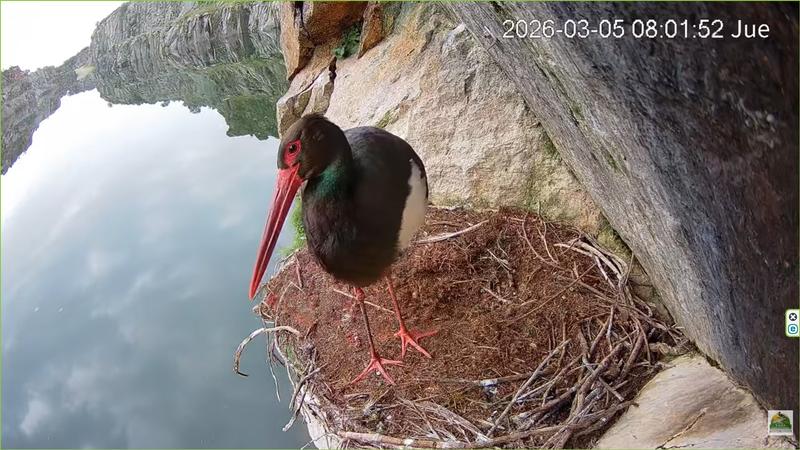
continuation
- 07:59:03 male Natalio out again
Zica is cleaning up a bit - she is throwing out old leftovers
- 08:03:03 female Zica out too
Zica has a less rounded head, and on the crown she has tiny feathers that stick out.
- Head shape — slightly less round than typical.
- Crown feathers — small feathers on top of the head that stand out, making her easier to recognise.
-
marika.solo
- Site Admin
- Posts: 29307
- Joined: 29 Sep 2021, 09:38
Re: Tajo Internacional (Natalio/M and Zica/F)
- at 12:11:29 Zica landed
- at 12:11:45 male Natalio
- nice greetings
continuation
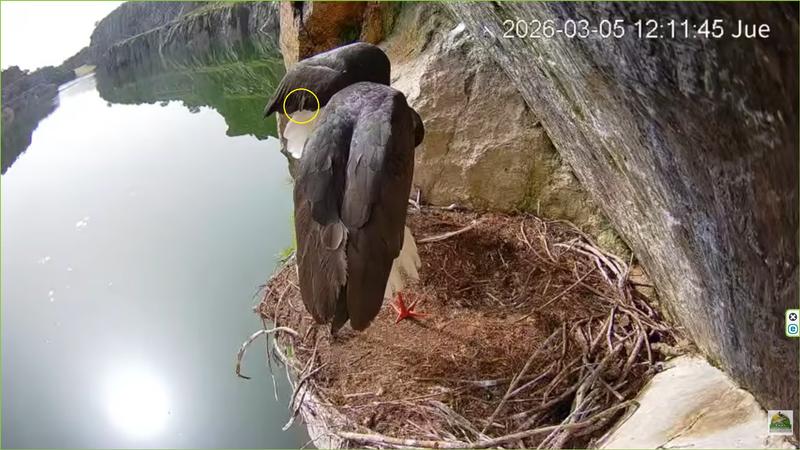
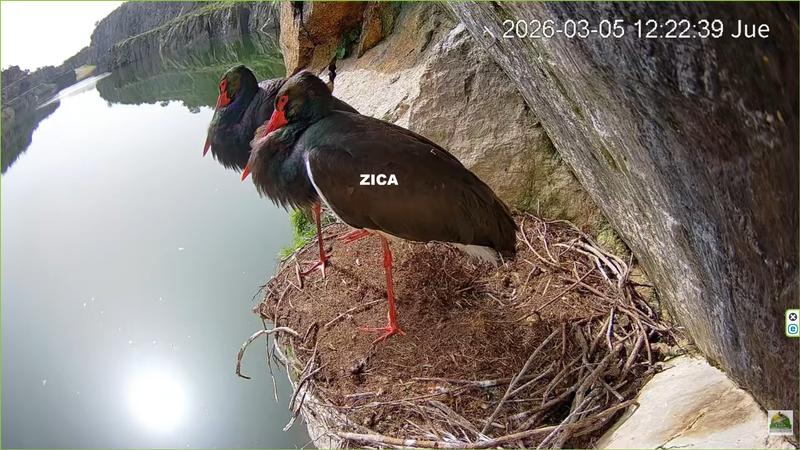
- at 12:11:45 male Natalio
- nice greetings
continuation
-
marika.solo
- Site Admin
- Posts: 29307
- Joined: 29 Sep 2021, 09:38
Re: Tajo Internacional (Natalio/M and Zica/F)
- they rest and some tenderness we can observing (preening each other)
- 13.16.36 and next - defending behaviour
- 13:17:40 Nataliou out
continuation
- 13:24:36 male Natalio is back, defending behaviour again
- 13.16.36 and next - defending behaviour
- 13:17:40 Nataliou out
continuation
- 13:24:36 male Natalio is back, defending behaviour again
-
marika.solo
- Site Admin
- Posts: 29307
- Joined: 29 Sep 2021, 09:38
Re: Tajo Internacional (Natalio/M and Zica/F)
- 14:27:47 defending behaviour again
- 14:31:35 male Natalio out
continuation
- 14:39:18 male Natalio is back
- 14:40:21 female Zica out
- 14:31:35 male Natalio out
continuation
- 14:39:18 male Natalio is back
- 14:40:21 female Zica out
-
marika.solo
- Site Admin
- Posts: 29307
- Joined: 29 Sep 2021, 09:38
Re: Tajo Internacional (Natalio/M and Zica/F)
- 14:44:54 and next Natalio is calling for her
- 14:45:49 female Zica is back
continuation
- 16:07:06 female Zica out
- 16:08:25 male Natalio follows her
maybe better view - Zica has crown feathers (small feathers on top of the head that stand out, making her easier to recognise)
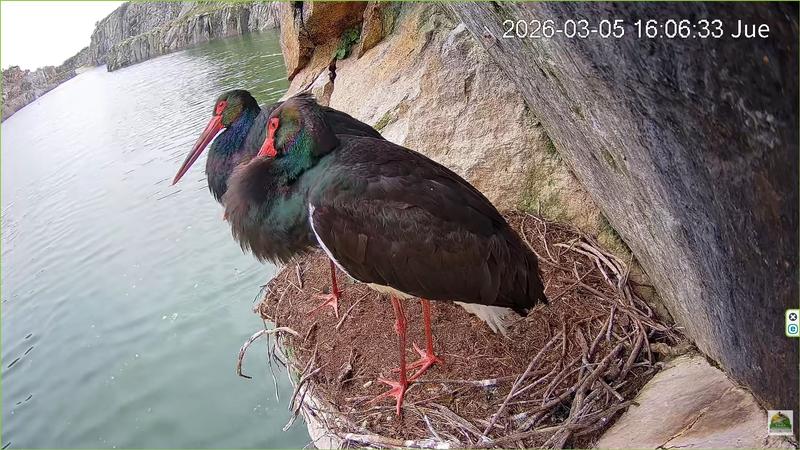
- 14:45:49 female Zica is back
continuation
- 16:07:06 female Zica out
- 16:08:25 male Natalio follows her
maybe better view - Zica has crown feathers (small feathers on top of the head that stand out, making her easier to recognise)
-
marika.solo
- Site Admin
- Posts: 29307
- Joined: 29 Sep 2021, 09:38
Re: Tajo Internacional (Natalio/M and Zica/F)
Nest Defense Summary (AI helped me):
In stork world, the "Home Court Advantage" is massive. Usually, the resident male (Natalio) would have the upper hand.
The Arrival Routine: Does the new male arrange sticks differently?
Courtship Calls: Every male has a slightly different rhythm or pitch to his "hissing" or bill-clattering.
The "Resident" vs. "Intruder" Posture
- The Owner: Usually stays low in the nest cup, protecting the centre. He will use his wings as a shield and strike upward with his bill.
- The Intruder: Often attacks from above or the edge of the nest, trying to force the other bird out of the "bowl."
Potential Timeline
- If the new male arrived first, he likely viewed himself as the "owner" by the time Natalio showed up. This makes the fight much more intense because both birds believe they are the rightful occupant.
- The fact that Natalio is there now suggests he is a strong, experienced male. Reclaiming a nest from a "squatter" takes significant energy and dominance.
In many species, the "first come, first served" rule is the law of the land.
- The Resident Advantage: Usually, the bird that held the territory last year (Natalio) has the psychological edge.
- The Intruder’s Strategy: If the new male arrived first this season, he likely considers himself the "owner" now. This makes the fights much more persistent because both birds believe they are defending their rightful home.
Observation,What it Means
- Immediate Return: The bird that returns to the ledge within minutes is usually the victor or the dominant defender.
- Panting/Dropped Wings: If Natalio returns and sits with his wings slightly out, he’s exhausted from the physical exertion of the tumble.
- Vocalizing: The winner will often "advertise" from the nest entrance to tell the loser not to come back.
Black storks are strictly solitary nesters and will fight fiercely to keep a "floater" (a male without a territory) away
Black storks have a very specific way of fighting. If the "upright" threats—like bill-clattering or bowing—don't work, they move to physical displacement:
- The Push-Off: They use their weight to shove the opponent off the nest rim. Since this is a cave nest, the ledge is likely narrow.
- Locked Bills: Sometimes they lock their red bills together. If one loses its footing during this "tug-of-war," both go over the edge.
- Aerial Recovery: Don't worry too much about the fall itself. Black storks are incredibly agile. Even if they drop from a height, they usually untangle and catch the air long before hitting the ground. The fight often continues in the air or on the forest floor/valley below.
The "First Arrived" Complication
In the world of storks, the "Prior Residency Power" is a real biological phenomenon. Usually, the bird that arrives first and spends a few days "decorating" the nest with moss or sticks gains a massive psychological boost.
If the new male arrived first, he has already claimed the "home" chemistry. Even though Natalio was there last year, the new male currently feels like the defender, and Natalio feels like the intruder. This is why the fights are so persistent—neither bird feels like they are the one who should leave.
The "Defending" Signs
- Arranging the nest: Is he moving sticks or moss? (This is a sign of ownership).
- Vigilance: Is he standing tall and looking at the sky?
- Bill Clattering: Black Storks are quieter than White Storks, but they still use their bills to signal "this is my spot."
Since he is flying out and coming right back, it shows:
- High Confidence: He feels he has the upper hand.
- High Stakes: He knows that if he stays away too long to find fish, the other male will land on the nest and "claim" it again.
- Escort Behavior: He is likely following the intruder until the intruder leaves his "airspace."
- If he lands and immediately starts preening (cleaning his feathers) or fixing sticks, he is relaxed and feels like the owner.
- If he lands and stays very still with his neck stretched out, he is still "on high alert."
1. Landing Direction: The "defender" usually lands confidently in the centre of the nest. The "attacker" (or intruder) often tries to land on the edge or "drop in" from above to push the other bird off.
2. Body Posture: Look for "crouching." A defender will lower his body to be heavy and hard to move. The attacker uses his wings more to stay balanced while trying to pecking or shoving.
3. The "After-Fall" Return: After they fall (the "tumble"), the winner is the one who returns first and immediately performs "nest-building behaviours" (moving moss/sticks). This is a "claim" to the territory.
4. Role Reversal: If a male stops landing on the nest and only "circles" or sits on nearby branches, he has shifted from the "resident" to the "floater" (a bird without a home).
- Territorial Behavior: Black storks are very private. They do not like other storks near their nest.
- The "Tumble": When two males fight, they often lock their bills and fall from the nest. This is a move to push the intruder away.
- High Alert: If a stork stands tall and watches the sky, he is defending the territory. He is waiting for the rival to return.
- Identifying the Winner: The winner is usually the bird that returns first. He will start to fix the nest with moss and sticks.
- Natalio's Sign: We can identify Natalio by the loose feather on his right side. This helps us see if the original male is still the "owner" of the nest.
In stork world, the "Home Court Advantage" is massive. Usually, the resident male (Natalio) would have the upper hand.
The Arrival Routine: Does the new male arrange sticks differently?
Courtship Calls: Every male has a slightly different rhythm or pitch to his "hissing" or bill-clattering.
The "Resident" vs. "Intruder" Posture
- The Owner: Usually stays low in the nest cup, protecting the centre. He will use his wings as a shield and strike upward with his bill.
- The Intruder: Often attacks from above or the edge of the nest, trying to force the other bird out of the "bowl."
Potential Timeline
- If the new male arrived first, he likely viewed himself as the "owner" by the time Natalio showed up. This makes the fight much more intense because both birds believe they are the rightful occupant.
- The fact that Natalio is there now suggests he is a strong, experienced male. Reclaiming a nest from a "squatter" takes significant energy and dominance.
In many species, the "first come, first served" rule is the law of the land.
- The Resident Advantage: Usually, the bird that held the territory last year (Natalio) has the psychological edge.
- The Intruder’s Strategy: If the new male arrived first this season, he likely considers himself the "owner" now. This makes the fights much more persistent because both birds believe they are defending their rightful home.
Observation,What it Means
- Immediate Return: The bird that returns to the ledge within minutes is usually the victor or the dominant defender.
- Panting/Dropped Wings: If Natalio returns and sits with his wings slightly out, he’s exhausted from the physical exertion of the tumble.
- Vocalizing: The winner will often "advertise" from the nest entrance to tell the loser not to come back.
Black storks are strictly solitary nesters and will fight fiercely to keep a "floater" (a male without a territory) away
Black storks have a very specific way of fighting. If the "upright" threats—like bill-clattering or bowing—don't work, they move to physical displacement:
- The Push-Off: They use their weight to shove the opponent off the nest rim. Since this is a cave nest, the ledge is likely narrow.
- Locked Bills: Sometimes they lock their red bills together. If one loses its footing during this "tug-of-war," both go over the edge.
- Aerial Recovery: Don't worry too much about the fall itself. Black storks are incredibly agile. Even if they drop from a height, they usually untangle and catch the air long before hitting the ground. The fight often continues in the air or on the forest floor/valley below.
The "First Arrived" Complication
In the world of storks, the "Prior Residency Power" is a real biological phenomenon. Usually, the bird that arrives first and spends a few days "decorating" the nest with moss or sticks gains a massive psychological boost.
If the new male arrived first, he has already claimed the "home" chemistry. Even though Natalio was there last year, the new male currently feels like the defender, and Natalio feels like the intruder. This is why the fights are so persistent—neither bird feels like they are the one who should leave.
The "Defending" Signs
- Arranging the nest: Is he moving sticks or moss? (This is a sign of ownership).
- Vigilance: Is he standing tall and looking at the sky?
- Bill Clattering: Black Storks are quieter than White Storks, but they still use their bills to signal "this is my spot."
Since he is flying out and coming right back, it shows:
- High Confidence: He feels he has the upper hand.
- High Stakes: He knows that if he stays away too long to find fish, the other male will land on the nest and "claim" it again.
- Escort Behavior: He is likely following the intruder until the intruder leaves his "airspace."
- If he lands and immediately starts preening (cleaning his feathers) or fixing sticks, he is relaxed and feels like the owner.
- If he lands and stays very still with his neck stretched out, he is still "on high alert."
1. Landing Direction: The "defender" usually lands confidently in the centre of the nest. The "attacker" (or intruder) often tries to land on the edge or "drop in" from above to push the other bird off.
2. Body Posture: Look for "crouching." A defender will lower his body to be heavy and hard to move. The attacker uses his wings more to stay balanced while trying to pecking or shoving.
3. The "After-Fall" Return: After they fall (the "tumble"), the winner is the one who returns first and immediately performs "nest-building behaviours" (moving moss/sticks). This is a "claim" to the territory.
4. Role Reversal: If a male stops landing on the nest and only "circles" or sits on nearby branches, he has shifted from the "resident" to the "floater" (a bird without a home).
- Territorial Behavior: Black storks are very private. They do not like other storks near their nest.
- The "Tumble": When two males fight, they often lock their bills and fall from the nest. This is a move to push the intruder away.
- High Alert: If a stork stands tall and watches the sky, he is defending the territory. He is waiting for the rival to return.
- Identifying the Winner: The winner is usually the bird that returns first. He will start to fix the nest with moss and sticks.
- Natalio's Sign: We can identify Natalio by the loose feather on his right side. This helps us see if the original male is still the "owner" of the nest.
-
marika.solo
- Site Admin
- Posts: 29307
- Joined: 29 Sep 2021, 09:38
Re: Tajo Internacional (Natalio/M and Zica/F)
the colours (and the bird visitors) are changing
(Spotless starlings - Sturnus unicolor)
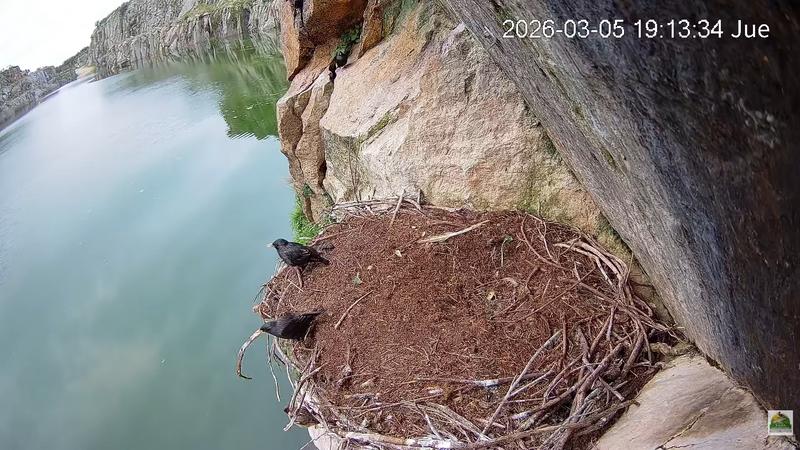
(Spotless starlings - Sturnus unicolor)