Short history of previous seasons
03.09.2021 PRESS RELEASE: GREFA and the Community of Madrid release three captive-bred black storks tagged with GPS
https://www.grefa.org/noticias/notas-de ... %20suelta.
12.03.2024
English Translation by AI Gemini: "Six Black Storks Head Toward Release in the Central Peninsular Region"
(+ PHOTOS)
How often do you have the luxury of seeing an animal in danger of extinction? And six of them together? When the reason is the recovery of that species, we are facing a unique event. This is exactly what happened with the six young black storks that we transferred to an acclimatization cage in the Cuenca Alta del Manzanares Regional Park (Madrid) as a step prior to their release.
It is worth remembering that in 2020, in the entire Community of Madrid, only three pairs of this species—listed as "Endangered" in the region—nested. Although their occupied territories have increased in recent years, they are still far too few. In such cases, it is of vital importance to undertake actions like the experimental program that GREFA launched four years ago, dedicated to the release of black stork chicks born in our Captive Breeding Center.
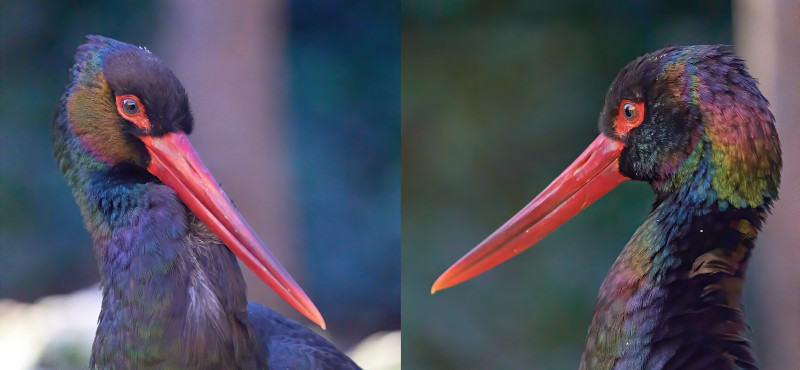
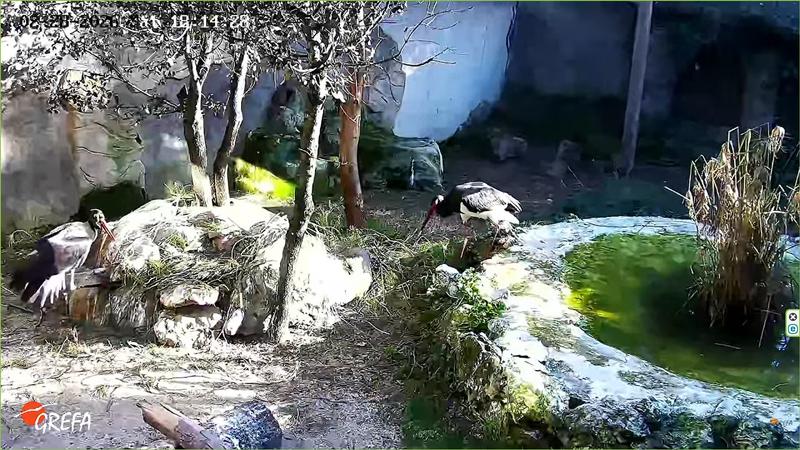
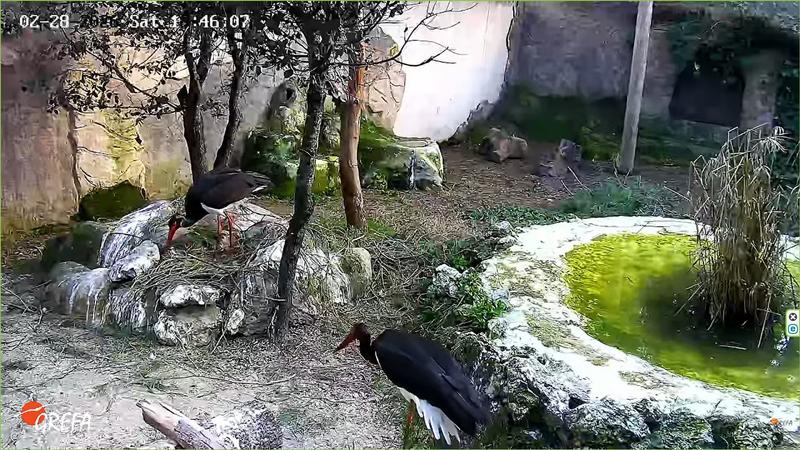
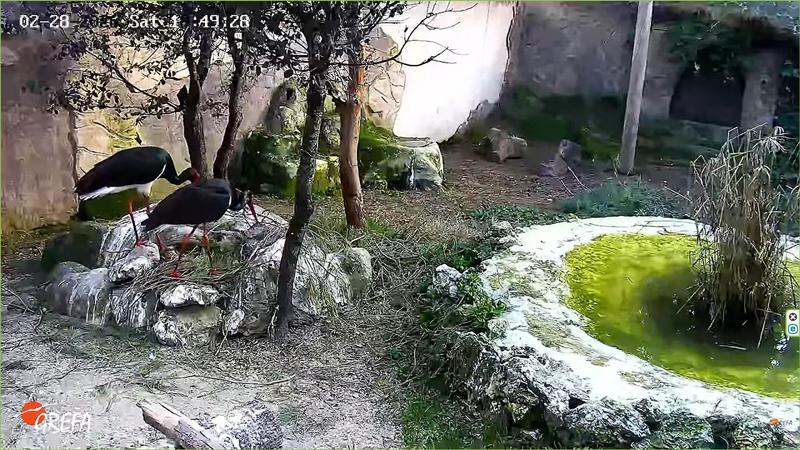
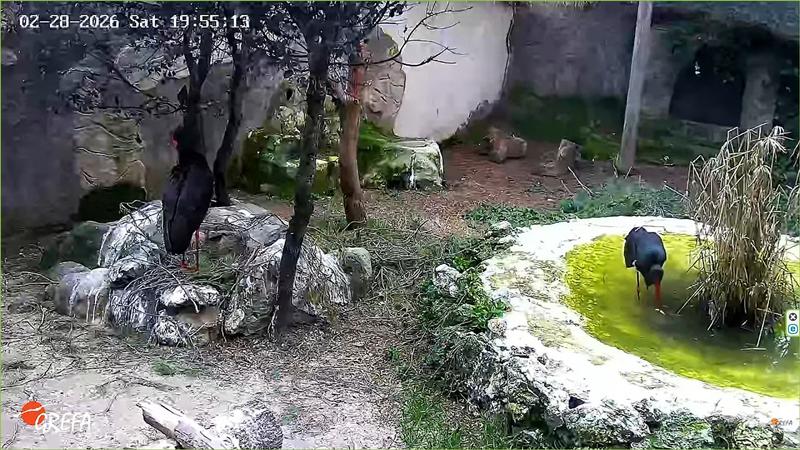
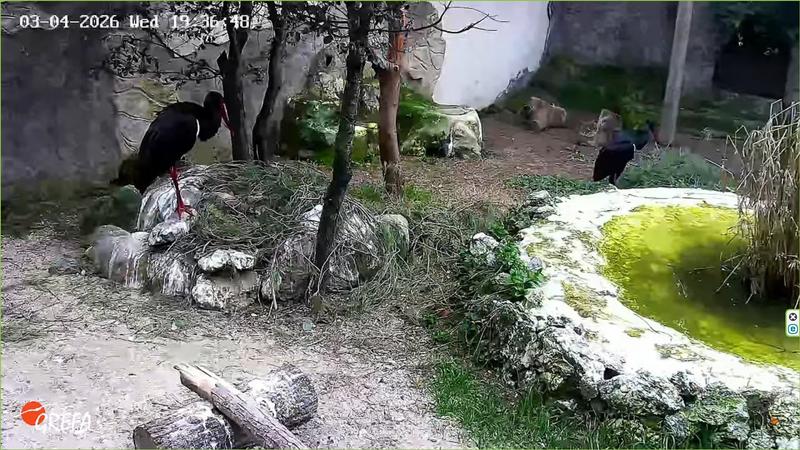
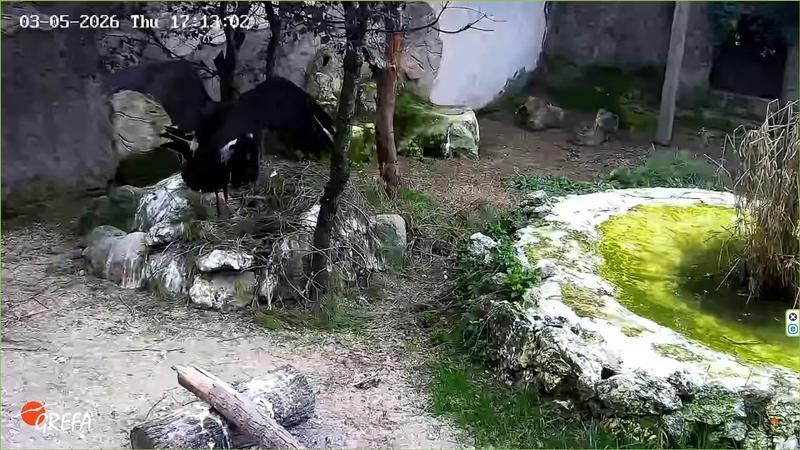
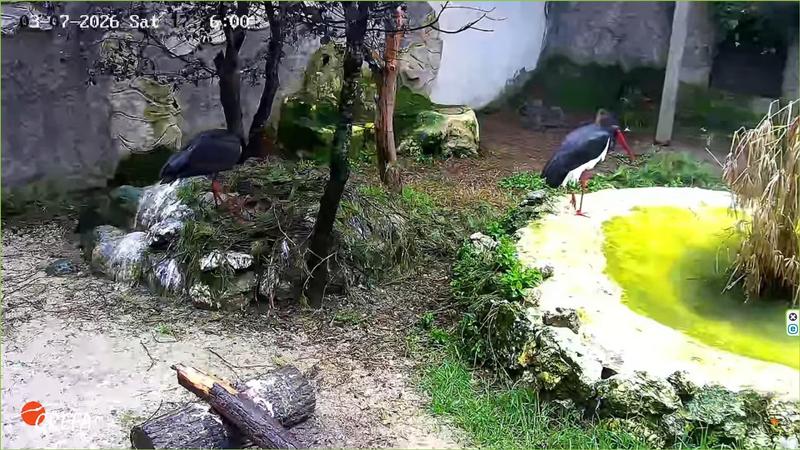
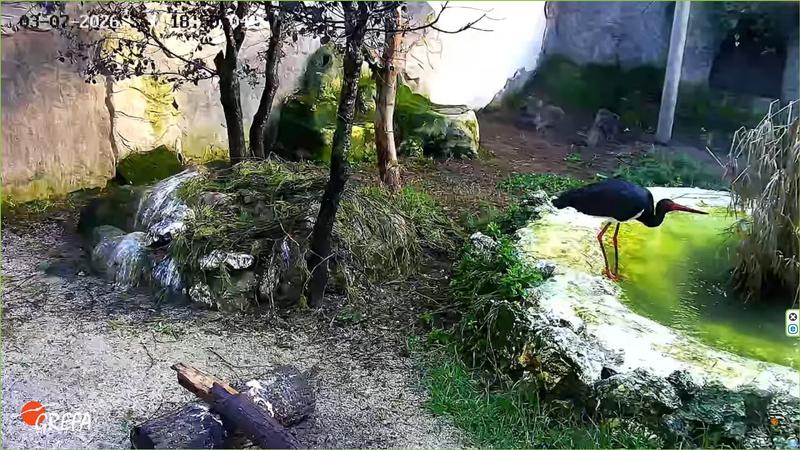
The credit for such a titanic task is shared equally between our colleagues in the Breeding Department and the pair formed by the male "Sol" and the female "Sombra," two animals that cannot be released into the wild but whose offspring are perfectly viable. Since 2020, this dedicated pair has been working hard to bring chicks into the world, making them not only champions of their species' recovery but also one of the main attractions of our "Naturaleza Viva" environmental education center.
In Full View of Our Visitors
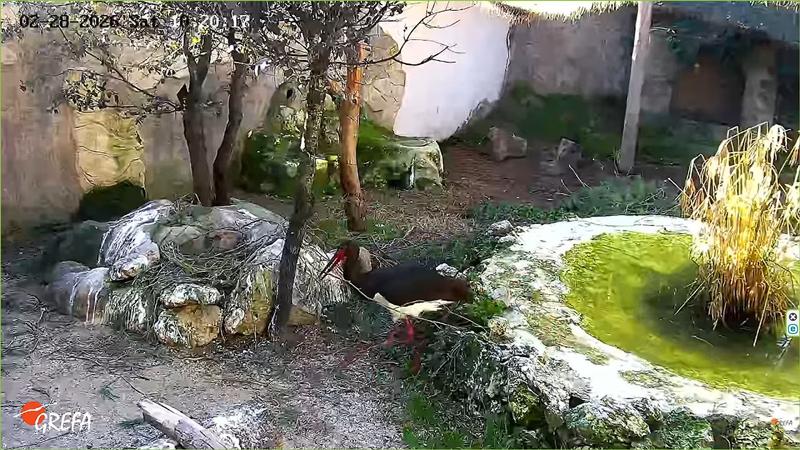
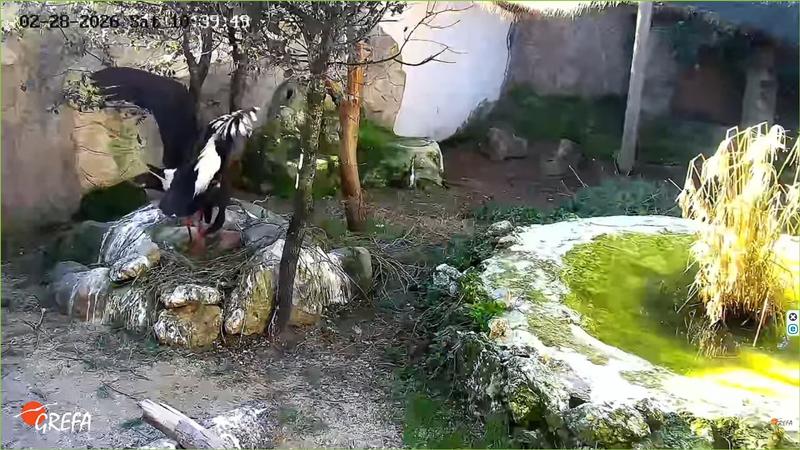
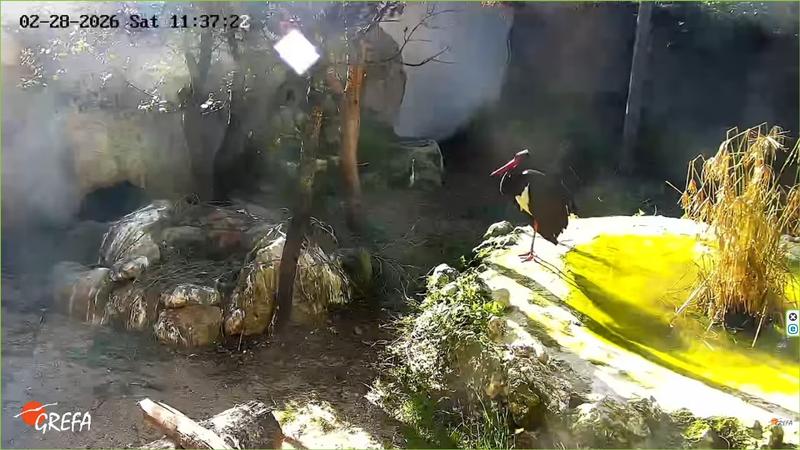
During each of their breeding seasons, this pair of black storks cares for their eggs and then their little ones in full view of all our visitors, in a facility specially prepared for them and protected by one-way glass to minimize potential disturbance.
Of course, the six young storks have been equipped with GPS transmitters, just as all their predecessors in this program were in previous years, allowing us to monitor their adaptation to the natural environment and keep them permanently supervised. But this time, our captive breeding managers incorporated a set of innovations intended to increase both chick productivity and their subsequent survival.
Improvements in Breeding and Release
Having six young black storks ready for release in 2024, all from a single pair, reflects an evolution in our breeding strategy. Once the relationship between "Sol" and "Sombra" was consolidated, it was decided the time had come to allow for "replacement clutches" (double clutching), as we have done for years with other threatened species like the lesser kestrel, Bonelli’s eagle, or the cinereous vulture.
Furthermore, the specimens introduced into the acclimatization cage on March 8th are nearly one year old, as they were born in 2023. Instead of releasing them in their birth year (as was done in 2020, 2021, and 2022), they were kept at our Majadahonda recovery center for their first months to gain maturity and experience.
Additionally, this time shift allows the release to take place in early spring rather than late summer, providing our young friends extra preparation time before their first and difficult migration. This season is also the first time we are using a progressive adaptation process through the acclimatization cage for captive-born chicks, where they are observed and fed daily for three to four weeks. We hope these measures will increase the chances that these fantastic and rare birds survive in the wild.
02.10.2024
English Translation by AI Gemini: "The Stories of GREFA: 'Sol' and 'Sombra' and Their Large Family of Bold Black Storks"
(+ PHOTOS)
"Sol" and "Sombra" are unique for many reasons. They belong to an endangered species - the black stork. Their presence in our Climate Change Classroom, at the GREFA headquarters in Majadahonda (Madrid), gives them an important educational role. Furthermore, they are sponsored by several of our donors who support non-releasable animals. As if that weren't enough, they are the protagonists of a hopeful breeding program.
In fact, no fewer than eleven chicks have been born to this pair of black storks since they began breeding four years ago, earning them the title of a "large family." Of those eleven chicks, one died (the only one born when they first became parents in 2020), while two others suffered conditions that would not have allowed them to survive in the wild and had to stay with us as non-releasable specimens, just like their parents. The rest of the offspring were viable for a life of total freedom, and that was exactly their destination.
However, of the first three black storks descended from "Sol" and "Sombra" that were released, none were even able to attempt their first migration, as they quickly fell victim to attacks by other animals. High predation rates are one of the many handicaps this delicate species faces. This led us to completely rethink our strategy. We decided that the chicks "Sol" and "Sombra" gifted us in 2023 would stay with us for an entire year to gain more experience before facing the outside world. Additionally, we moved the release of this new batch of six black storks to spring instead of autumn and managed it through a prior stay in an acclimatisation cage in the Cuenca Alta del Manzanares Regional Park - all to better prepare them and increase their chances of survival.
Three Adventurers
The results validated our decisions, as this time only one of the six chicks was predated. Although one had to return to our wildlife hospital due to poor condition and another sadly lost its life colliding with a power line, the remaining three have managed to survive and have lived normally since their release in April 2024.
We continue to monitor two of them via GPS transmitters. This has allowed us to learn that one chose to settle in the pastures of Extremadura, while the other opted for the tranquillity of Madrid's Monte del Pardo - though in early September, the latter moved down to the province of Seville, likely following a flock of its species. The third remained near the release point until we stopped receiving signals due to a transmitter failure, but we trust that, like its siblings, it has had no trouble managing after overcoming the critical weeks following its departure from the acclimatisation cage.
And so we have reached the beginning of autumn: nearly six months of full integration into nature for the most adventurous children of "Sol" and "Sombra." What new adventures will our young black storks experience? Will they migrate to sub-Saharan Africa and return in spring, or will they stay to spend the winter with us? What other chicks and news will "Sombra" and "Sol" have in store for us in 2025? How will we continue to contribute to the conservation of this species in the coming years? Well, all of that will be another story... another "Story of GREFA!"