@Vida-LI
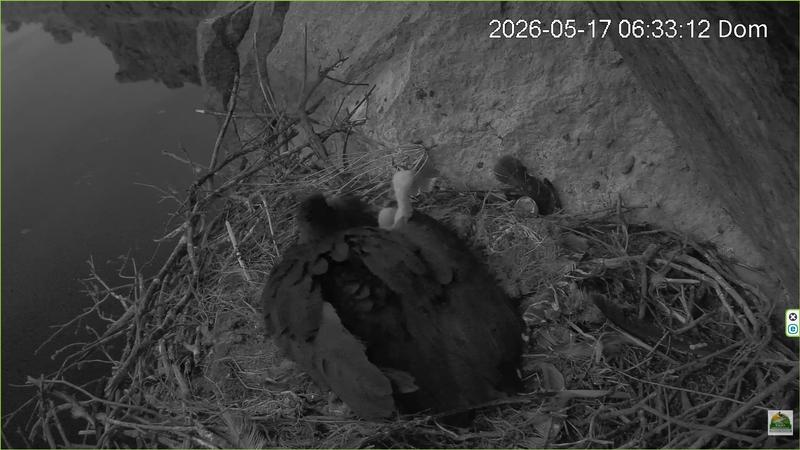
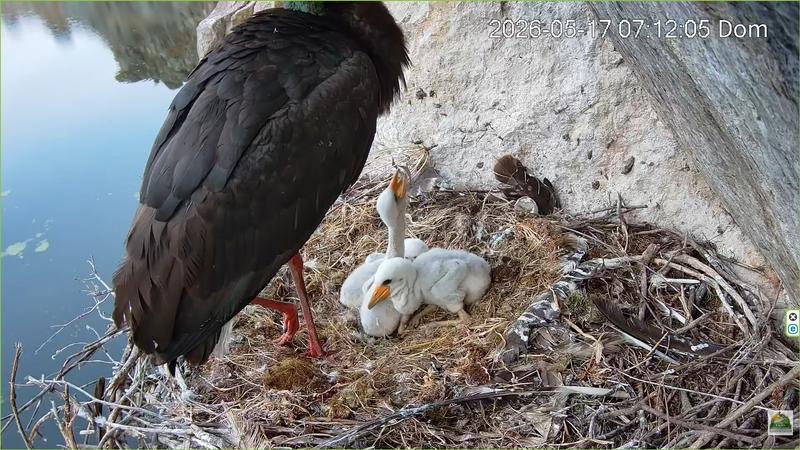
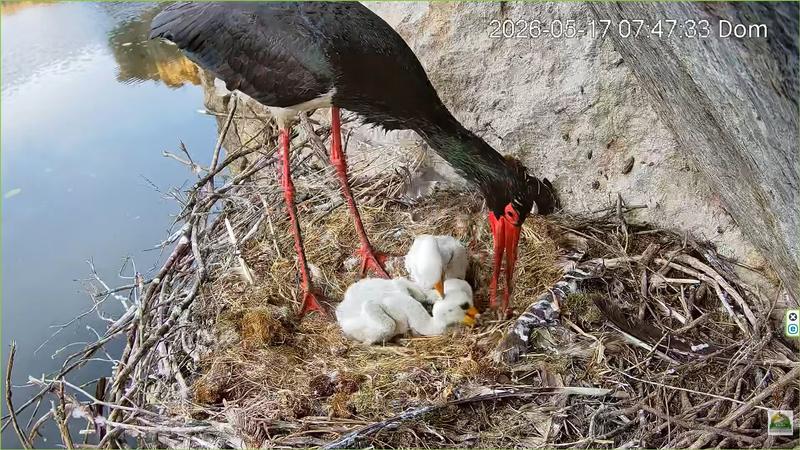
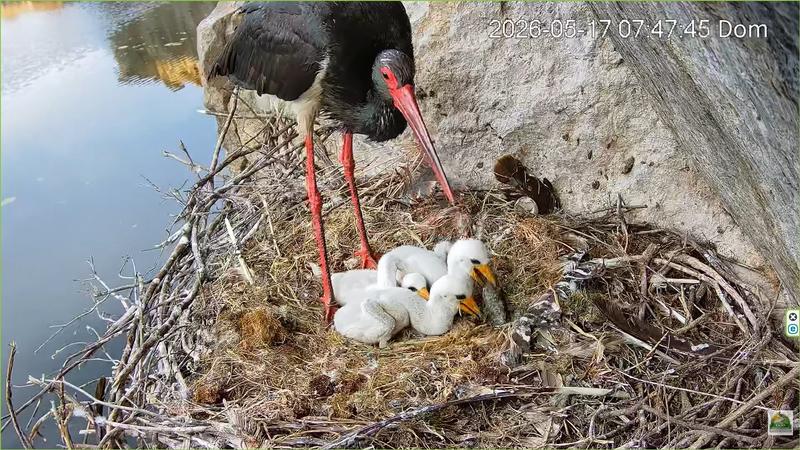
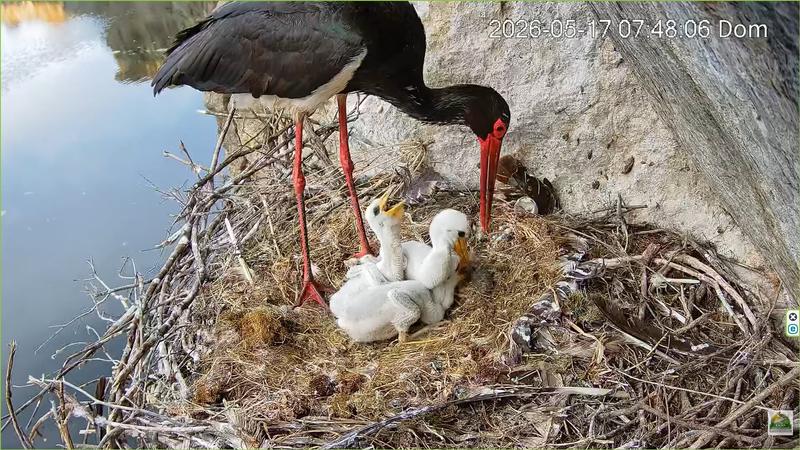
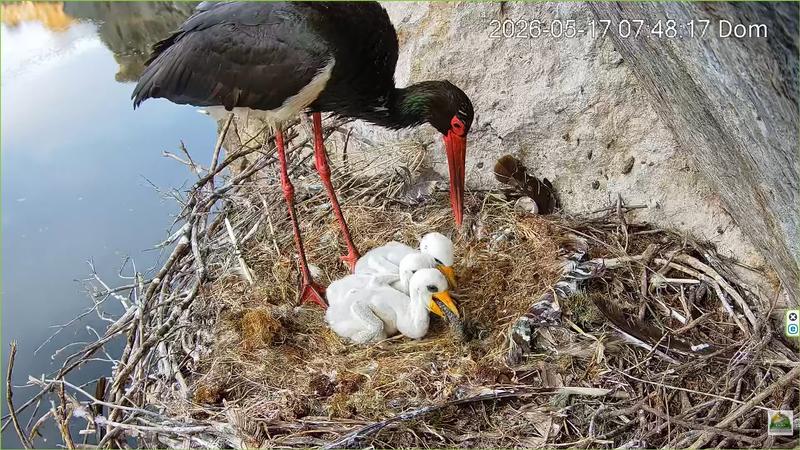
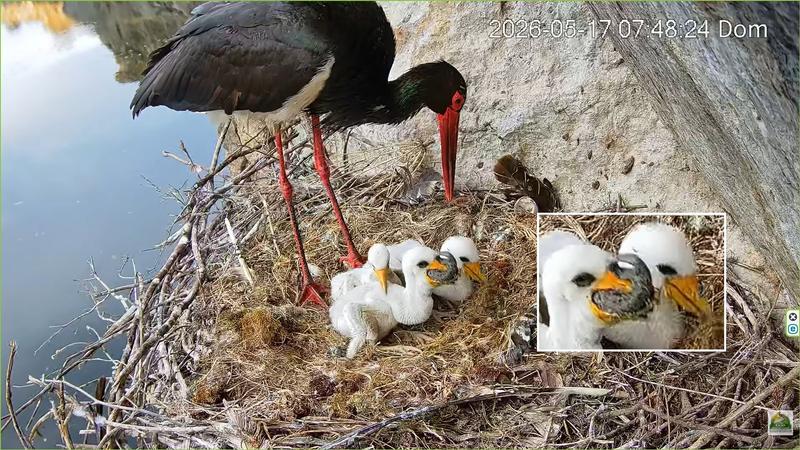
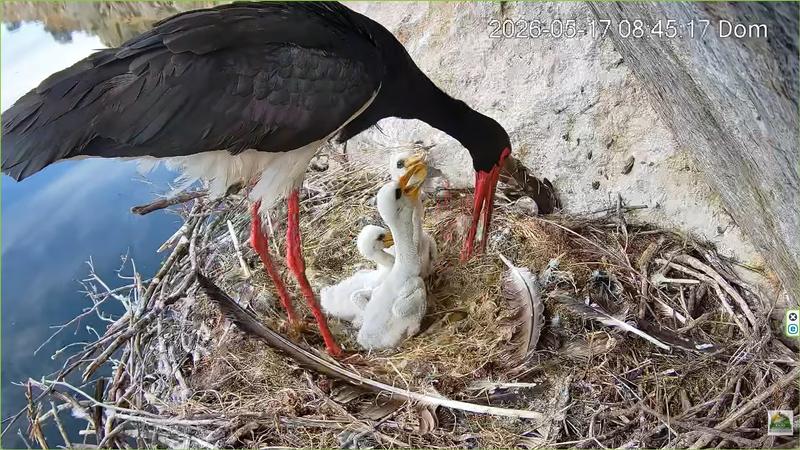
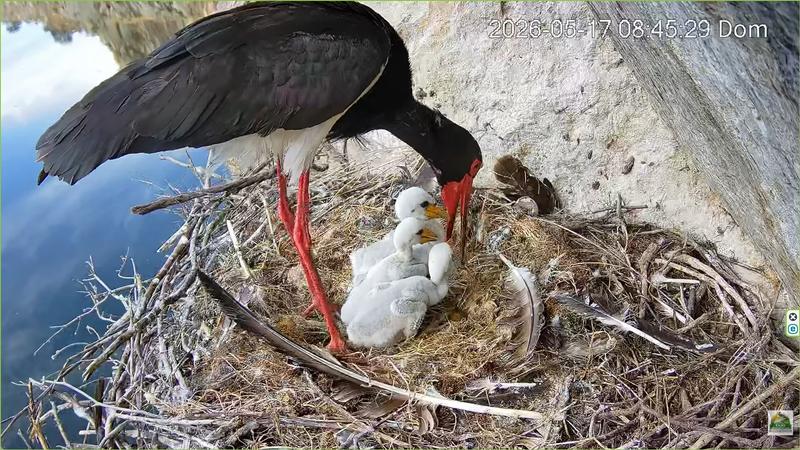
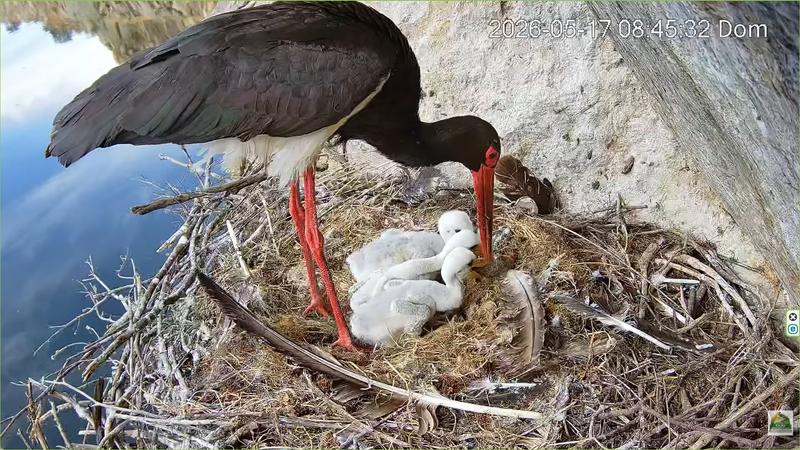
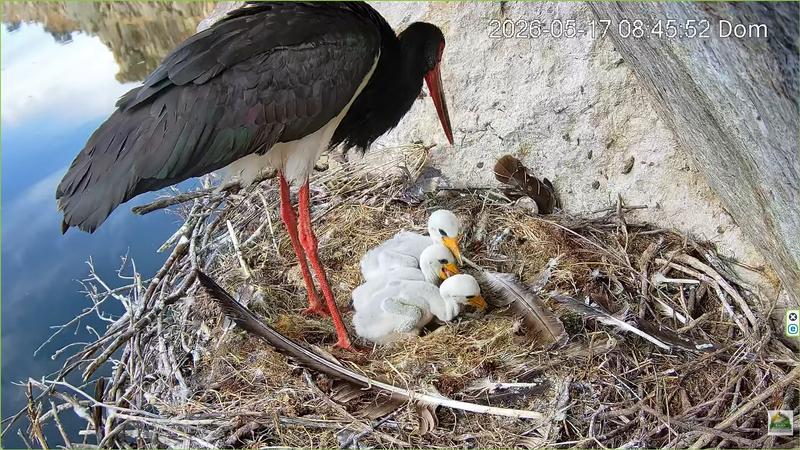
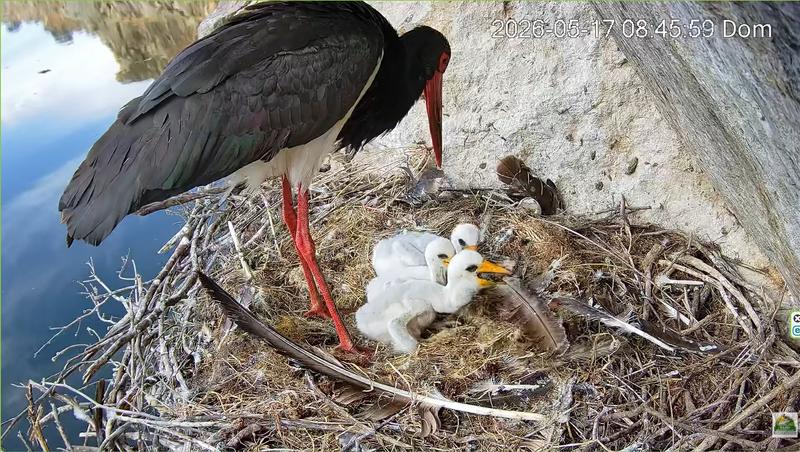
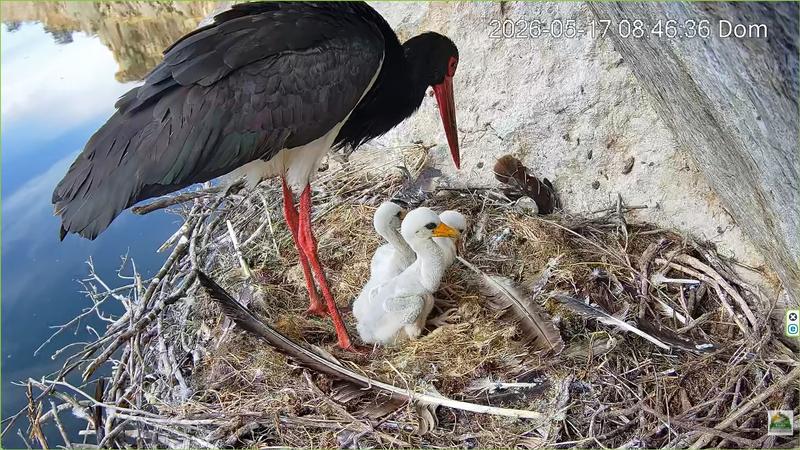
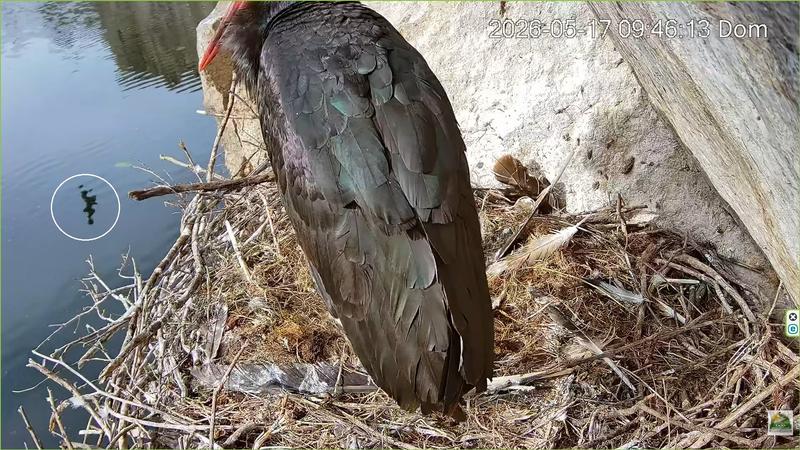
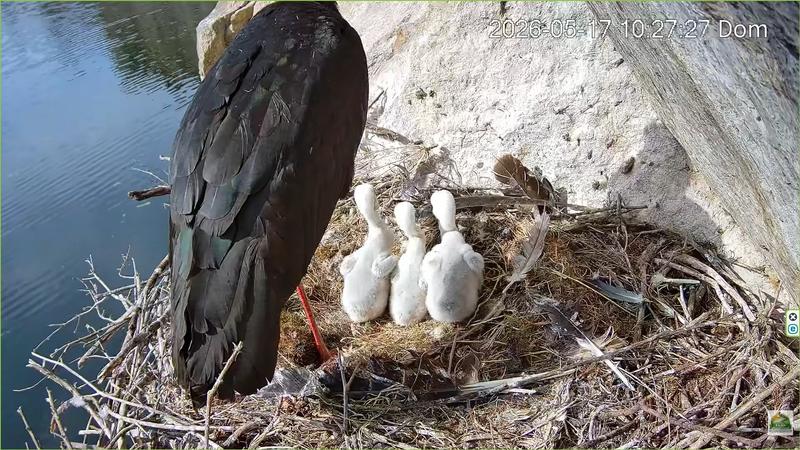
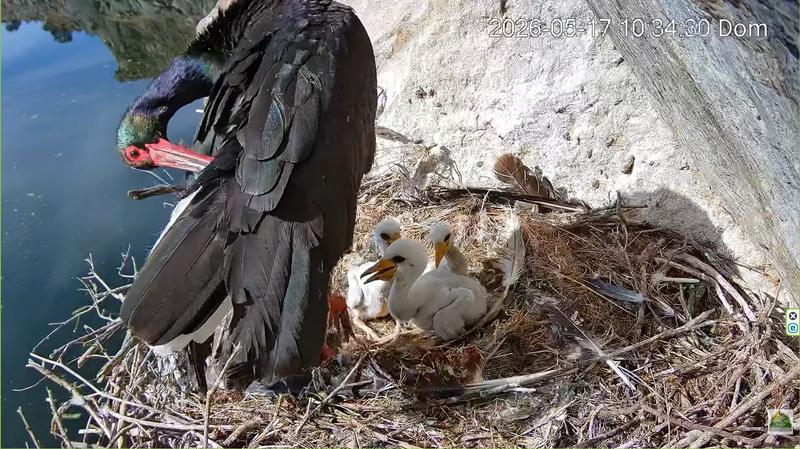
¿Ponemos nombres a estas preciosidades? ¿Alguien puede ocuparse de este asunto? Yo no puedo, esta es mi propuesta
Lugh: Dios del sol y de las artes // Isis: Diosa de la maternidad, la magia y la fertilidad // Freya: Diosa del amor, la belleza y la fertilidad.
Shall we name these beautiful creatures? Can someone take on this task? I can't; here's my suggestion:
Lugh: God of the sun and the arts // Isis: Goddess of motherhood, magic, and fertilit // Freya: Goddess of love, beauty, and fertility.
@marialewandowska6751
@Vida-LI Hola Vida, estoy totalmente a favor de...: Lugh, Isis y Freya (¿entiendo que Freya es la más joven?)


Hi Vida, I'm all for...: Lugh, Isis and Freya (I understand Freya is the youngest?)
me:
I am against giving names to the chicks: they are not pets - without ringing, we cannot identify them accurately - they are with us only for a very short time and then they fly away into the big world
@siscusanches
@MarikaSolo-q9r..totalmente de acuerdo
@MarikaSolo-q9r... totally agree
@Vida-LI
¿Y qué importancia tiene?. Pronto hablaremos "del mayor", del "pequeñín" del que "tiene una mancha en algún sitio". Y en lugar de eso ¿por qué no poner un nombre para entendernos? No se hace mal a nadie. Es una forma de comunicación entre nosotros, nada más. Pero ante todo libertad, faltaría más. Olvidamos el asunto y ya está.
And what does it matter? Soon we'll be talking about "the oldest," the "little one," the one "who has a spot somewhere." Instead, why not use a name so we can understand each other? No one is being harmed. It's just a form of communication between us, nothing more. But above all, freedom, of course. Let's forget about it and that's it.
@puryg2750
 Yo les llamo con cariño “el bueno,el feo y el malo”
 como la pelicula de Clint Eastwood. pero tus nombres vida, me gustan tambien.
I affectionately call them "the good, the bad, and the ugly," like the Clint Eastwood movie. But I like your names too, my love.
-----
+ this my tough:
Another important practical reason against naming the chicks without ring is that if we give them names, we constantly have to explain day by day which name belongs to which storklet. Writing "the oldest/largest", "the middle one", and "the youngest/smallest" might take a few more letters, but it is instantly accurate and self-explanatory. Anyone who opens the stream can immediately identify them based on their size differences (especially the third one, which usually stays noticeably smaller due to the hatching interval). Descriptions like these save time and prevent endless confusion.
@adrianbarreirogarcia2529
que forma más absurda de complicar lo importante que es: el seguimiento de estas preciosidades. ¿sabéis? el próximo año vuelven al nido los padres nunca los hijos ellos, formarán nuevos nidos a km. asique, de que dive estas discusione, su están anillados o no, lo importante es que aumenten las colonias y que nosotros y más personas disfrutemos de esta linda naturaleza.


What an absurd way to complicate what is truly important: following the development of these beautiful creatures. You know what? Next year, it is the parents who will return to the nest, never the chicks. The young birds will establish new nests kilometres away. So, what is the point of these arguments about whether they are ringed or not? The important thing is that the colonies grow and that we, along with more people, get to enjoy this beautiful nature.