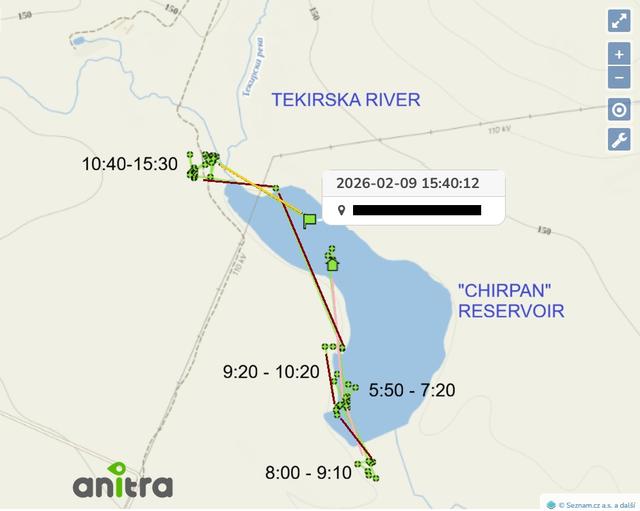
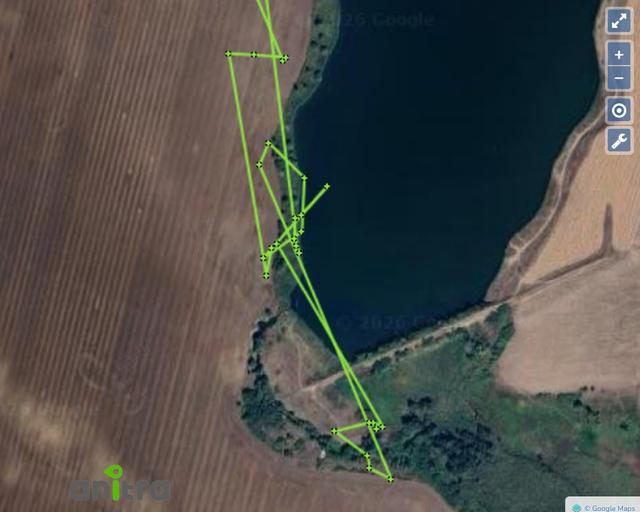
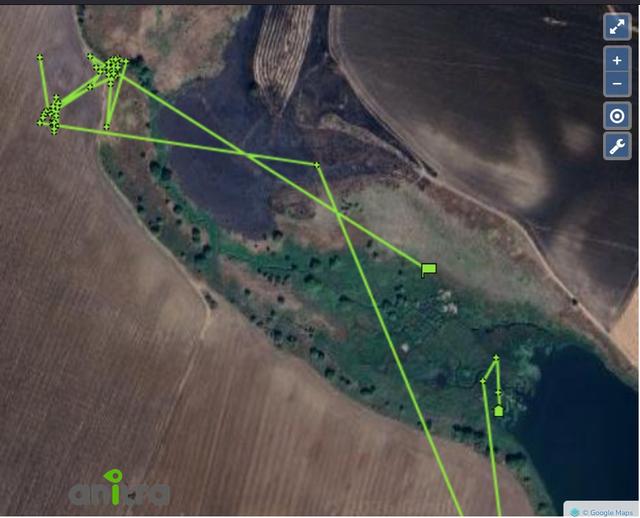
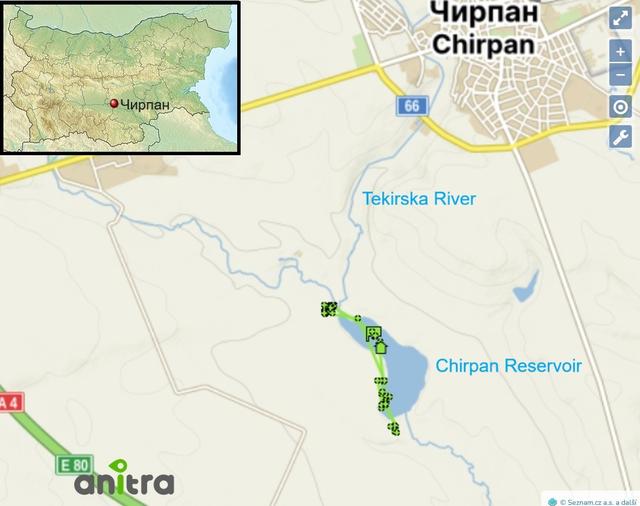
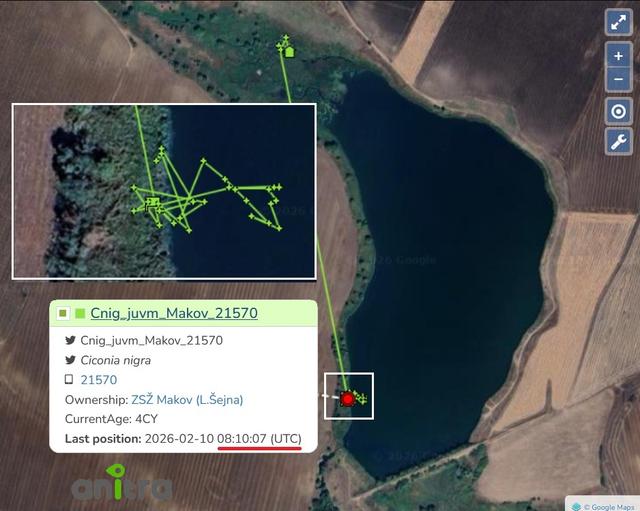
NIGHT (09.02/10.02) - very near his favourite spot on the northern edge of the reservoir
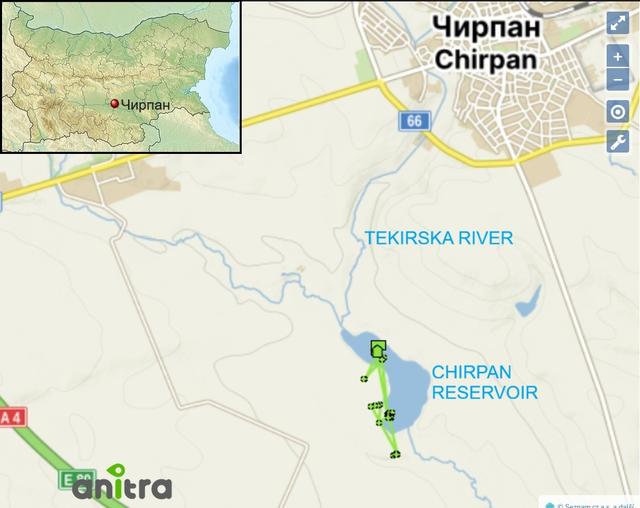
- Bulgaria: Chirpan - a town (and the administrative centre of the homonymous Chirpan Municipality) in Stara Zagora Province of south-central Bulgaria
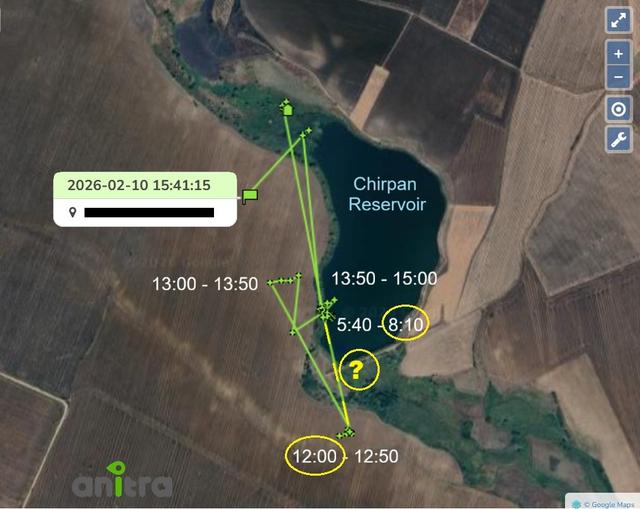
DAY (10.02) - along the reservoir and the nearby fields
- Bulgaria: Chirpan - a town (and the administrative centre of the homonymous Chirpan Municipality) in Stara Zagora Province of south-central Bulgaria
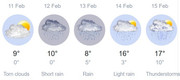
The drop from 89% down to 21% in just 10 minutes (08:00 to 08:10) was not a real loss of battery charge. Instead, it was a temporary collapse in voltage caused by the tracker trying to work in the 2°C cold.
The Struggle: At 08:10, the tracker was likely trying to get a difficult GPS fix or maintain a cellular connection in the valley vegetation.
The Effect: In cold weather, drawing high current makes the voltage "sag" (like a car battery struggling to start on a frozen morning). The software saw this low voltage and reported it as 21%, but the "fuel" was still in the battery—it just wasn't accessible at that moment.
2. The Automatic Recovery
The jump back to 4062 mV (91%) at 12:00 confirms the battery is healthy.
Once the high-power task (the 10:00 AM transmission) was over and the internal components "rested," the chemistry stabilised.
Even a small amount of diffuse light reaching the solar panels between 10:00 and 12:00 was enough to "pop" the voltage back up to its true level once the heavy load was removed.
3. Explaining the Data Gap (08:10 – 12:00)
The gap exists because the tracker’s "Safety Brain" took over.
When the device saw that 21% (3764 mV) reading at 08:10, it likely triggered a Safe Mode.
To protect itself from dying completely, it stopped logging new GPS points until the voltage climbed back above a safe threshold (usually 3800 mV+).
Krum’s move 300m south suggests he was active during the gap, but the tracker was "silent" to ensure it had enough power to stay alive.
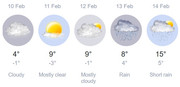
Pokles z 89 % na 21 % za pouhých 10 minút (od 8:00 do 8:10) nebol skutočným poklesom nabitia batérie. Išlo skôr o dočasný pokles napätia spôsobený tým, že sledovacie zariadenie sa snažilo pracovať pri teplote -2 °C.
Problém: O 08:10 sa tracker pravdepodobne pokúšal získať ťažké GPS súradnice alebo udržať mobilné pripojenie v údolnej vegetácii.
Účinok: V chladnom počasí spôsobuje odber vysokého prúdu „pokles“ napätia (podobne ako autobatéria, ktorá má problém naštartovať v mrazivom ráne). Softvér zaznamenal toto nízke napätie a nahlásil ho ako 21 %, ale „palivo“ bolo stále v batérii – len nebolo v danom momente dostupné.
2. Automatické obnovenie
Návrat na hodnotu 4062 mV (91 %) o 12:00 potvrdzuje, že batéria je v poriadku.
Po ukončení úlohy s vysokým výkonom (prenos o 10:00) a „odpočinku“ vnútorných komponentov sa chemické zloženie stabilizovalo.
Dokonca aj malé množstvo rozptýleného svetla, ktoré dopadlo na solárne panely medzi 10:00 a 12:00, stačilo na to, aby sa napätie vrátilo na svoju skutočnú úroveň, keď sa odstránilo veľké zaťaženie.
3. Vysvetlenie medzery v údajoch (08:10 – 12:00)
Medzera existuje, pretože prevzal kontrolu „bezpečnostný mozog“ trackera.
Keď zariadenie zaznamenalo hodnotu 21 % (3764 mV) o 08:10, pravdepodobne aktivovalo bezpečný režim.
Aby sa chránilo pred úplným zlyhaním, prestalo zaznamenávať nové GPS body, kým napätie nevystúpilo späť nad bezpečnú hranicu (zvyčajne 3800 mV+).
Krumov pohyb o 300 m južnejšie naznačuje, že bol počas tejto prestávky aktívny, ale sledovacie zariadenie bolo „tiché“, aby malo dostatok energie na to, aby zostalo funkčné.
- Krum stayed overnight at his favourite spot (the northern shallow marshy edge of the reservoir)
- Krum ostal nocovať na favorizovanom mieste (severný plytký močaristý okraj rezervoáru)
NIGHT (10.02/11.02) - on the northern edge of the reservoir (shallow, marshy area)
- Bulgaria: Chirpan - a town (and the administrative centre of the homonymous Chirpan Municipality) in Stara Zagora Province of south-central Bulgaria